🚚 Free Worldwide Shipping on All Orders!Shop Now
1 / 3
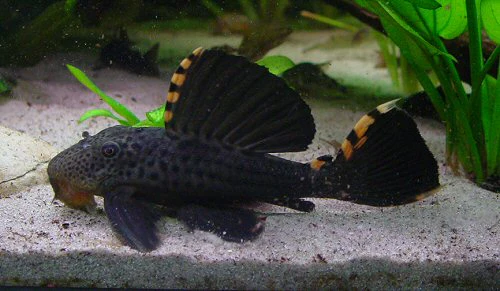
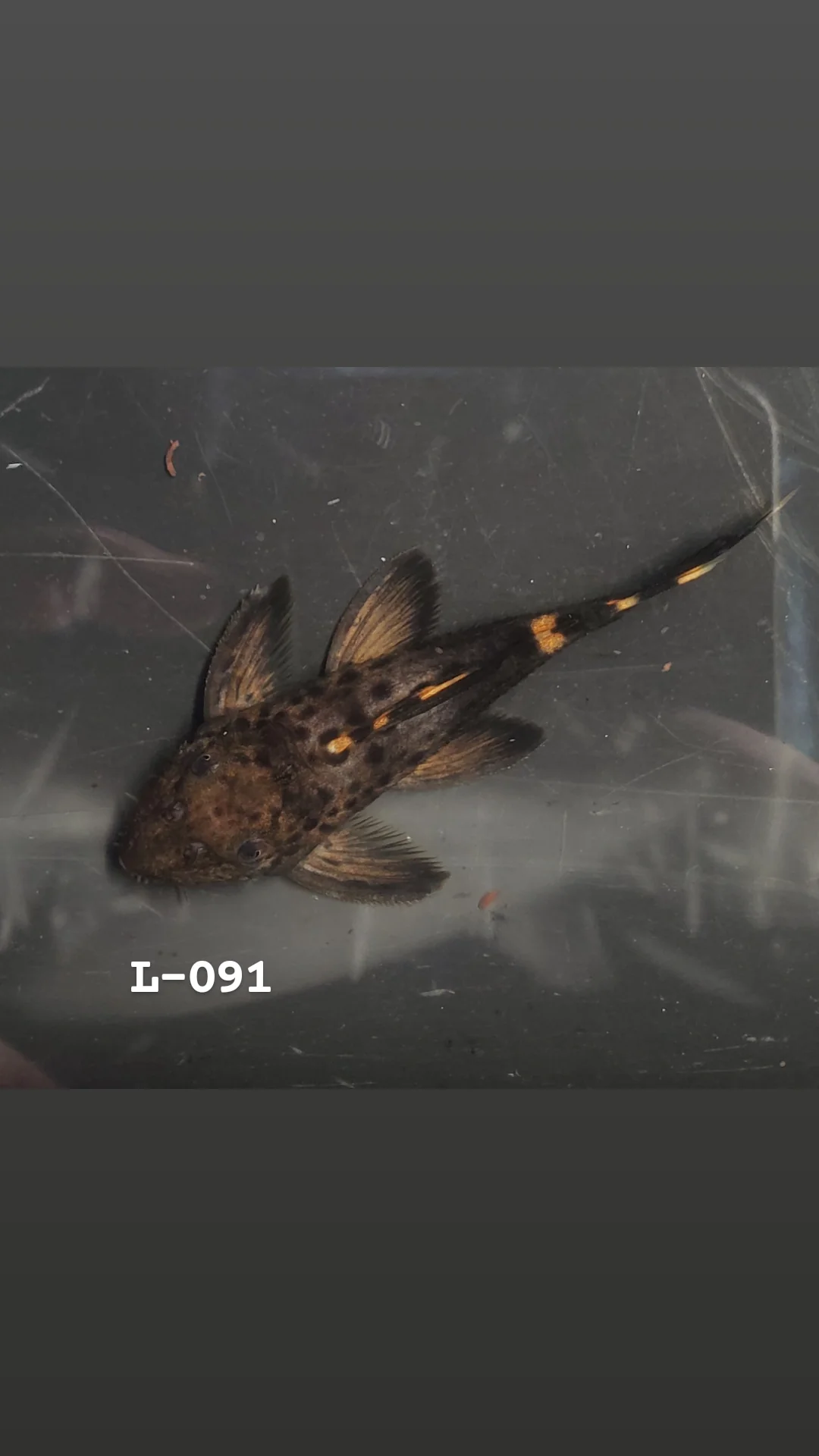
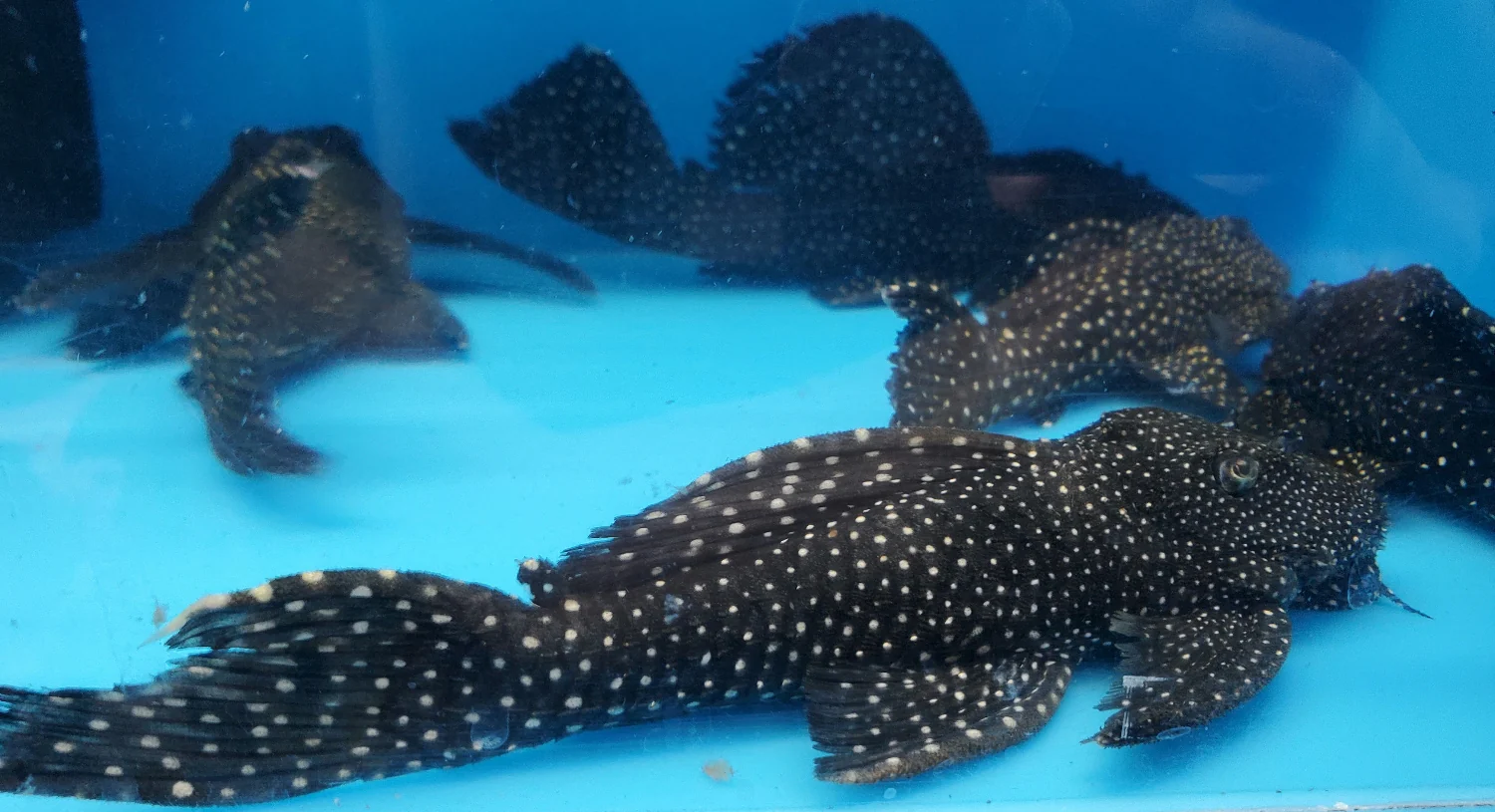
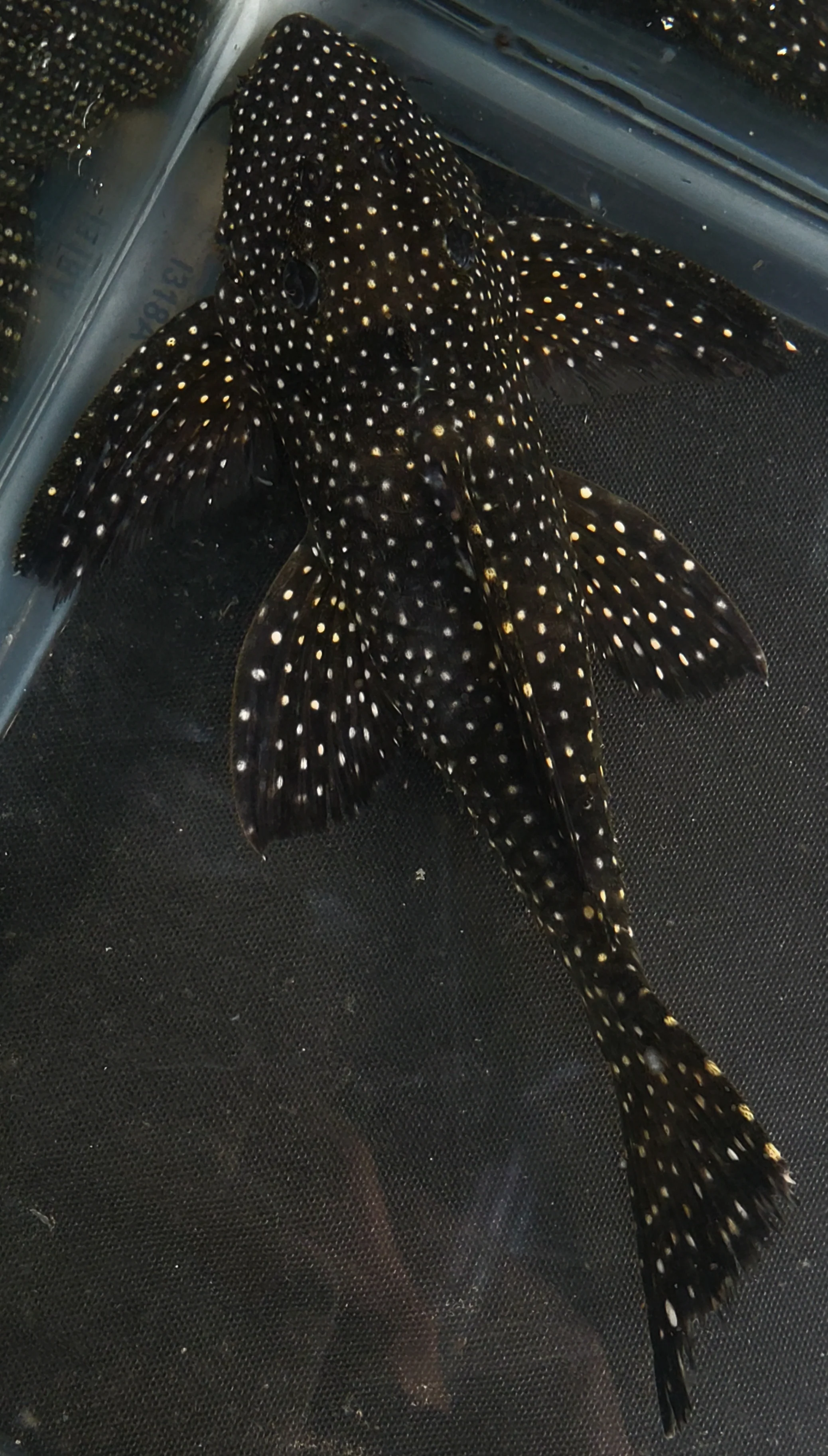
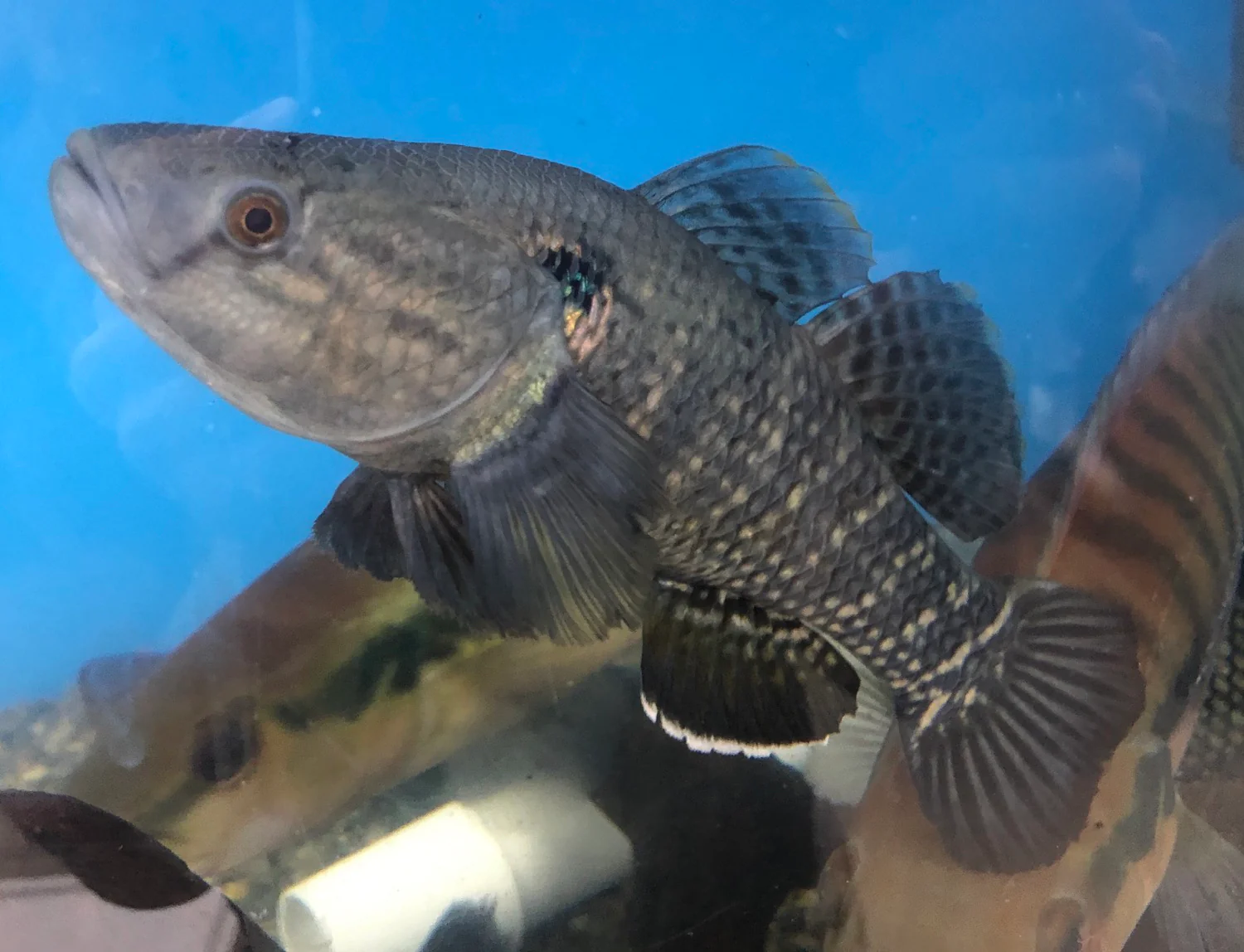
Jade Sleeper Goby (Dormitator maculatus)
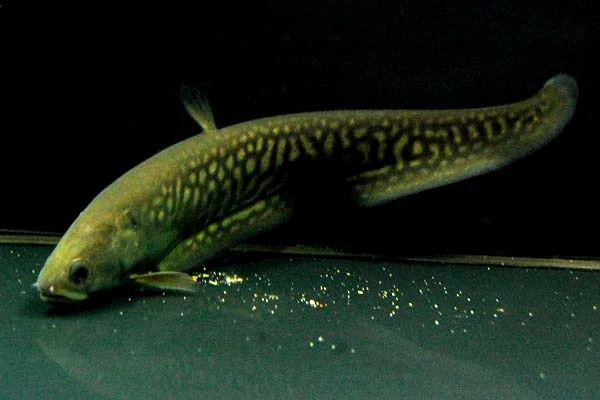
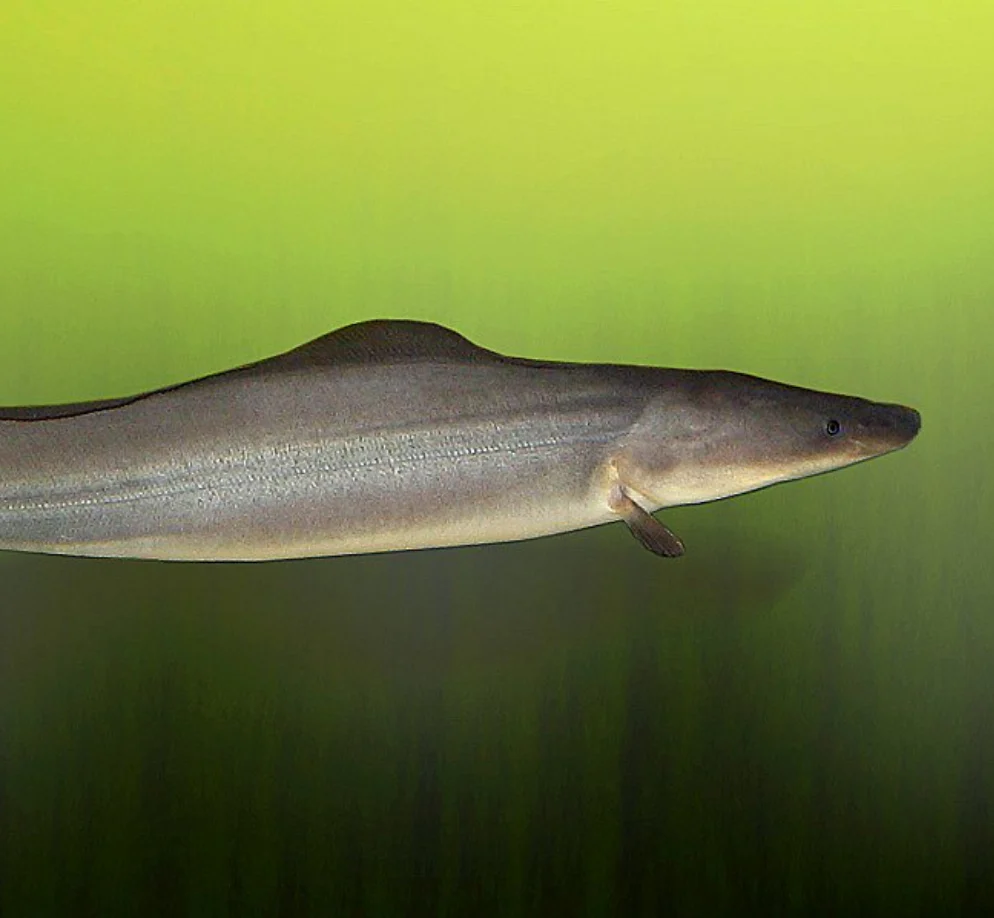
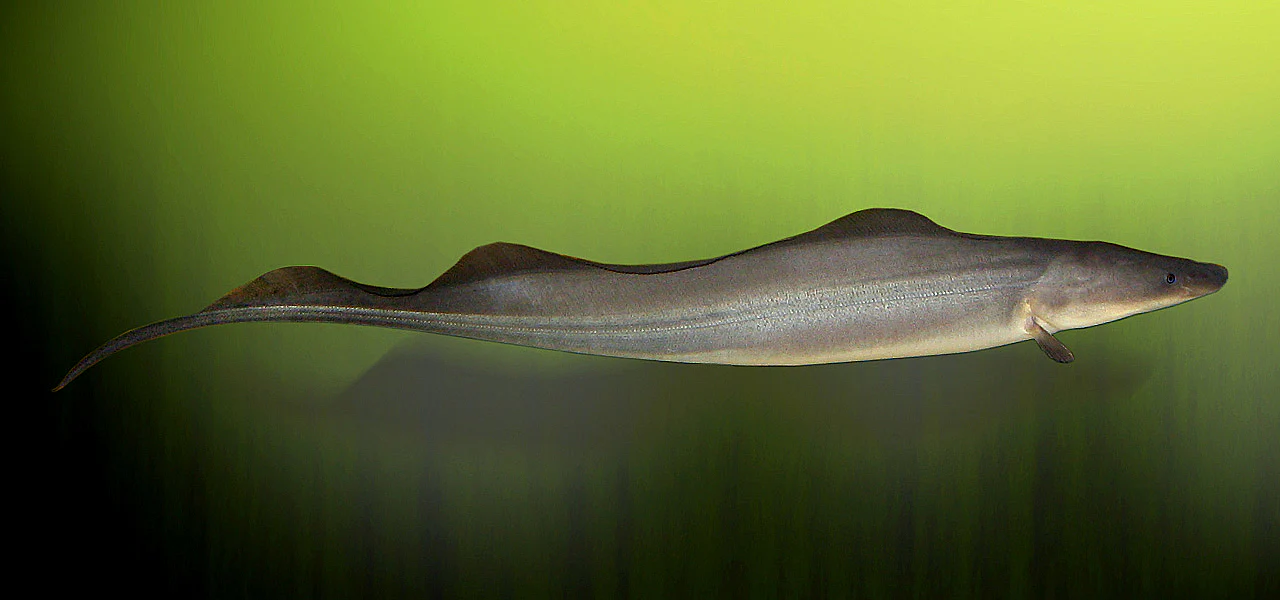
The Jade Sleeper Goby has a wide area of distribution and inhabits a variety of habitats from freshwater channels, marshes, muddy ponds, rivers, and streams, along with brackish mangrove forests. It is valued both as a source of food and an addition to the freshwater aquarium. This species is native to South America and it can grow to a whopping 2 feet long. Because this fish is so large it requires a very large tank – about 200 gallons or more. It also is a very territorial and predatory fish, so you should keep it in a tank all by itself to prevent it from eating its tank mates. When it comes to water chemistry, this species is very adaptable – it can be kept in either freshwater or brackish conditions. The diet for this species should consist of meaty foods like earthworms, shrimp, fish, and carnivore pellets.
The Jade Sleeper Goby has a wide area of distribution and inhabits a variety of habitats from freshwater channels, marshes, muddy ponds, rivers, and streams, along with brackish mangrove forests. It is valued both as a source of food and an addition to the freshwater aquarium. This species is native to South America and it can grow to a whopping 2 feet long. Because this fish is so large it requires a very large tank – about 200 gallons or more. It also is a very territorial and predatory fish, so you should keep it in a tank all by itself to prevent it from eating its tank mates. When it comes to water chemistry, this species is very adaptable – it can be kept in either freshwater or brackish conditions. The diet for this species should consist of meaty foods like earthworms, shrimp, fish, and carnivore pellets.
Select Sizes
From $40.25
Original: $115.00
-65%Jade Sleeper Goby (Dormitator maculatus)—
$115.00
$40.25Description
The Jade Sleeper Goby has a wide area of distribution and inhabits a variety of habitats from freshwater channels, marshes, muddy ponds, rivers, and streams, along with brackish mangrove forests. It is valued both as a source of food and an addition to the freshwater aquarium. This species is native to South America and it can grow to a whopping 2 feet long. Because this fish is so large it requires a very large tank – about 200 gallons or more. It also is a very territorial and predatory fish, so you should keep it in a tank all by itself to prevent it from eating its tank mates. When it comes to water chemistry, this species is very adaptable – it can be kept in either freshwater or brackish conditions. The diet for this species should consist of meaty foods like earthworms, shrimp, fish, and carnivore pellets.