Florida Spotted Gar (Lepisosteus platyrhincus)
Florida Spotted Gar (Lepisosteus platyrhincus)
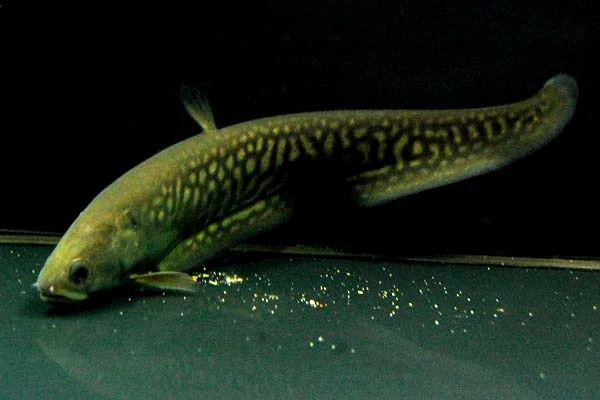
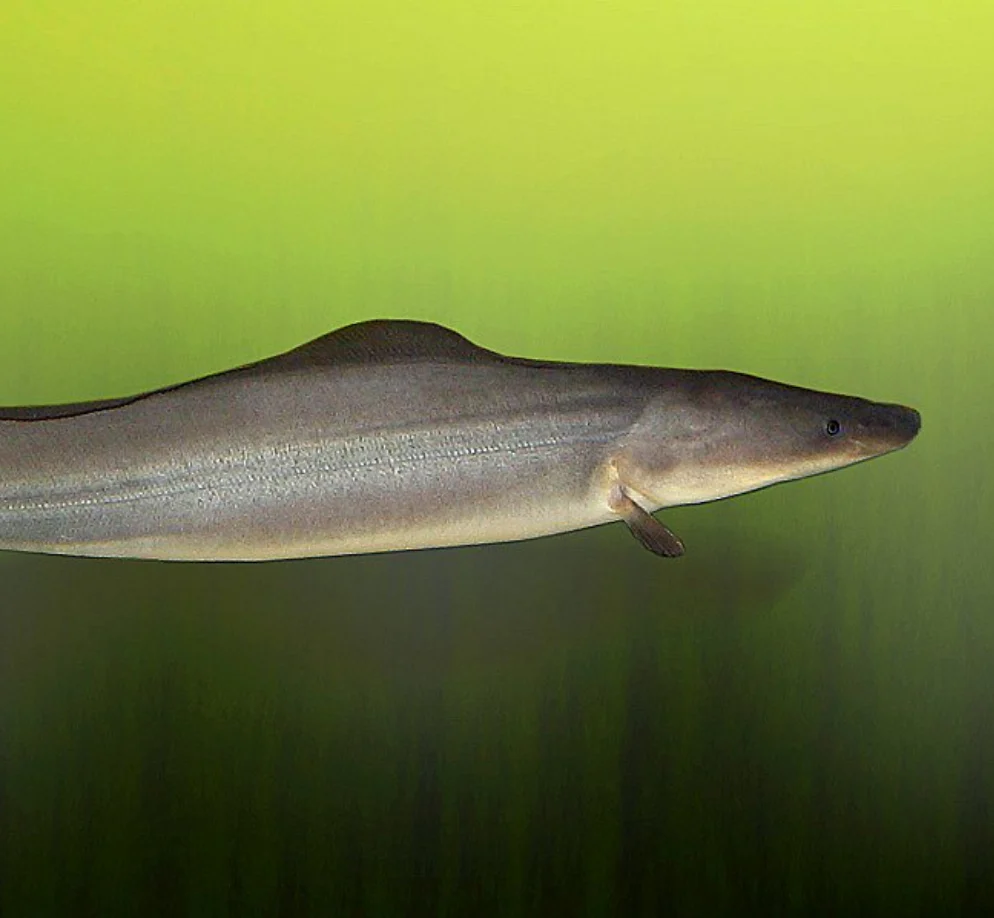
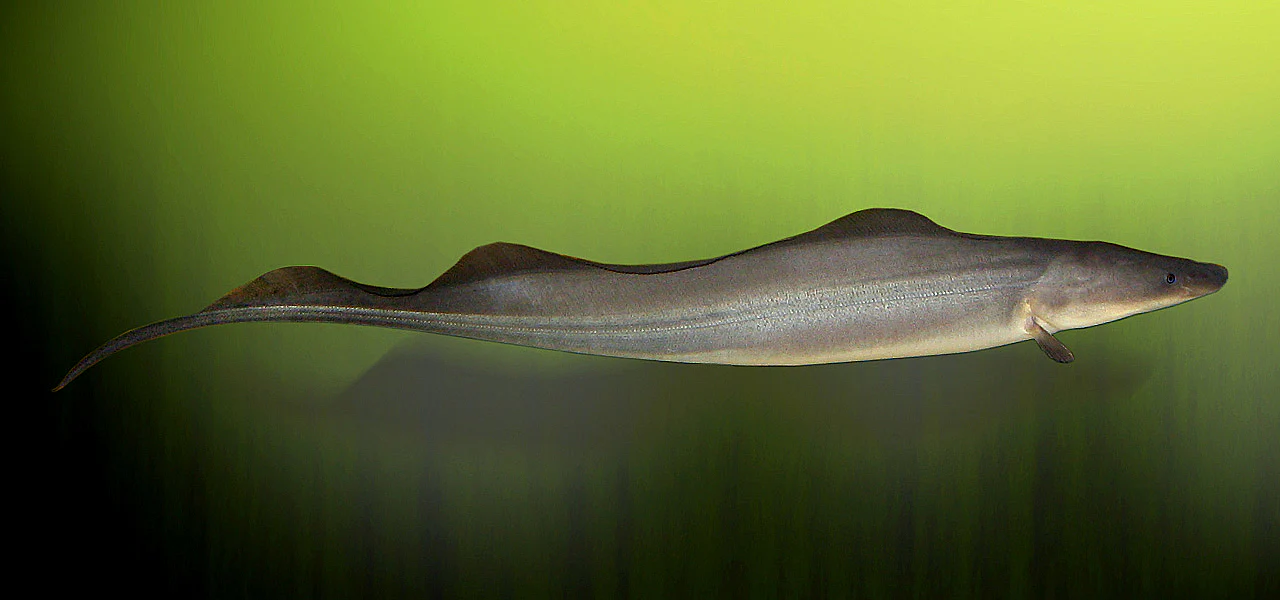
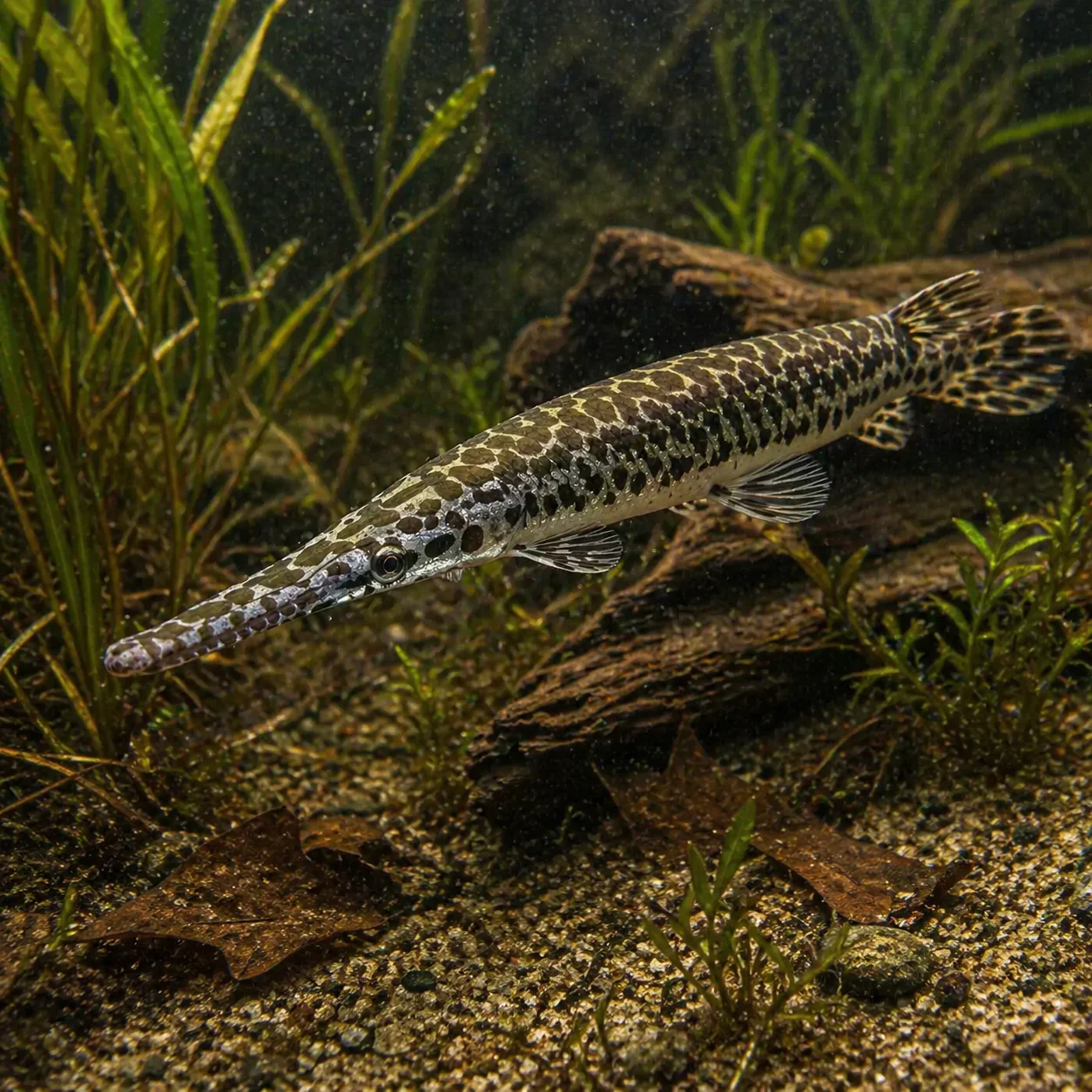
The Florida Spotted Gar is a sleek, prehistoric predator known for its elongated snout, armored scales, and distinctive spotted patterning across its body and fins. Native to slow-moving waters throughout Florida and parts of the southeastern United States, this species brings a true “ancient fish” presence to large aquariums. Agile and surface-oriented, the Florida Spotted Gar is best suited for experienced hobbyists with spacious setups.
Diet
Florida Spotted Gars are carnivorous ambush predators:
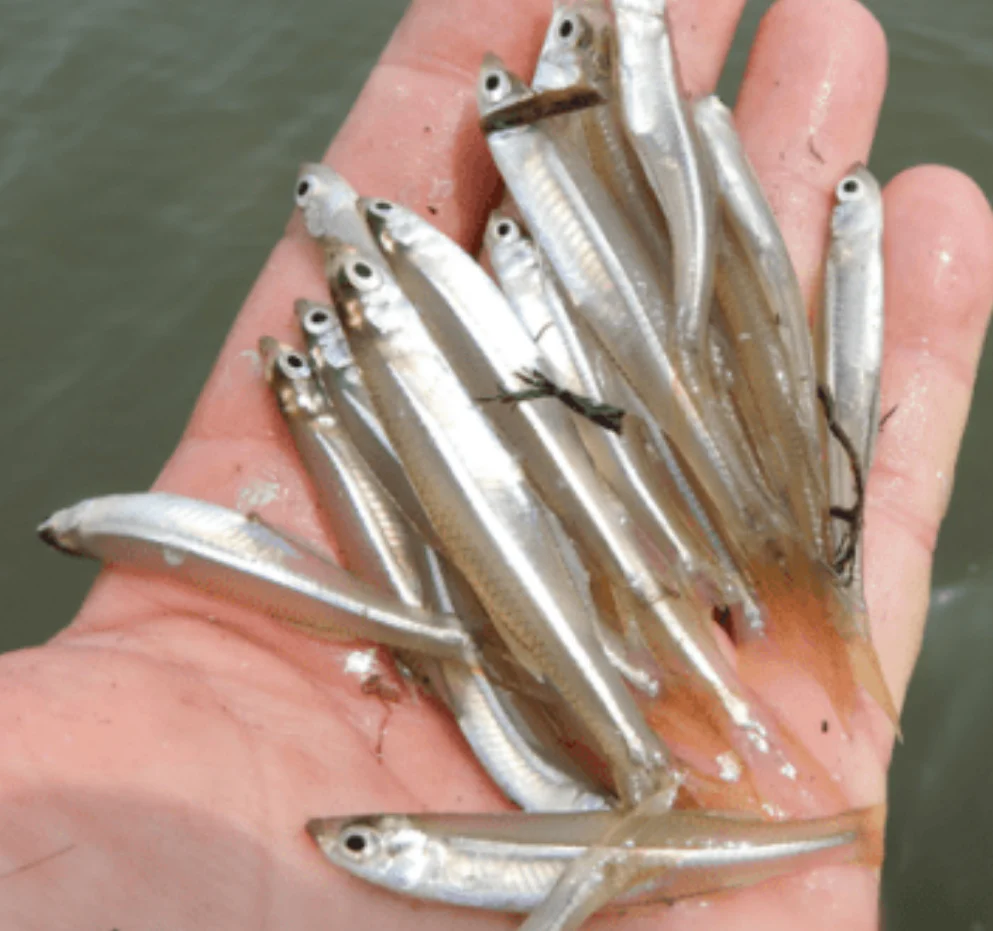
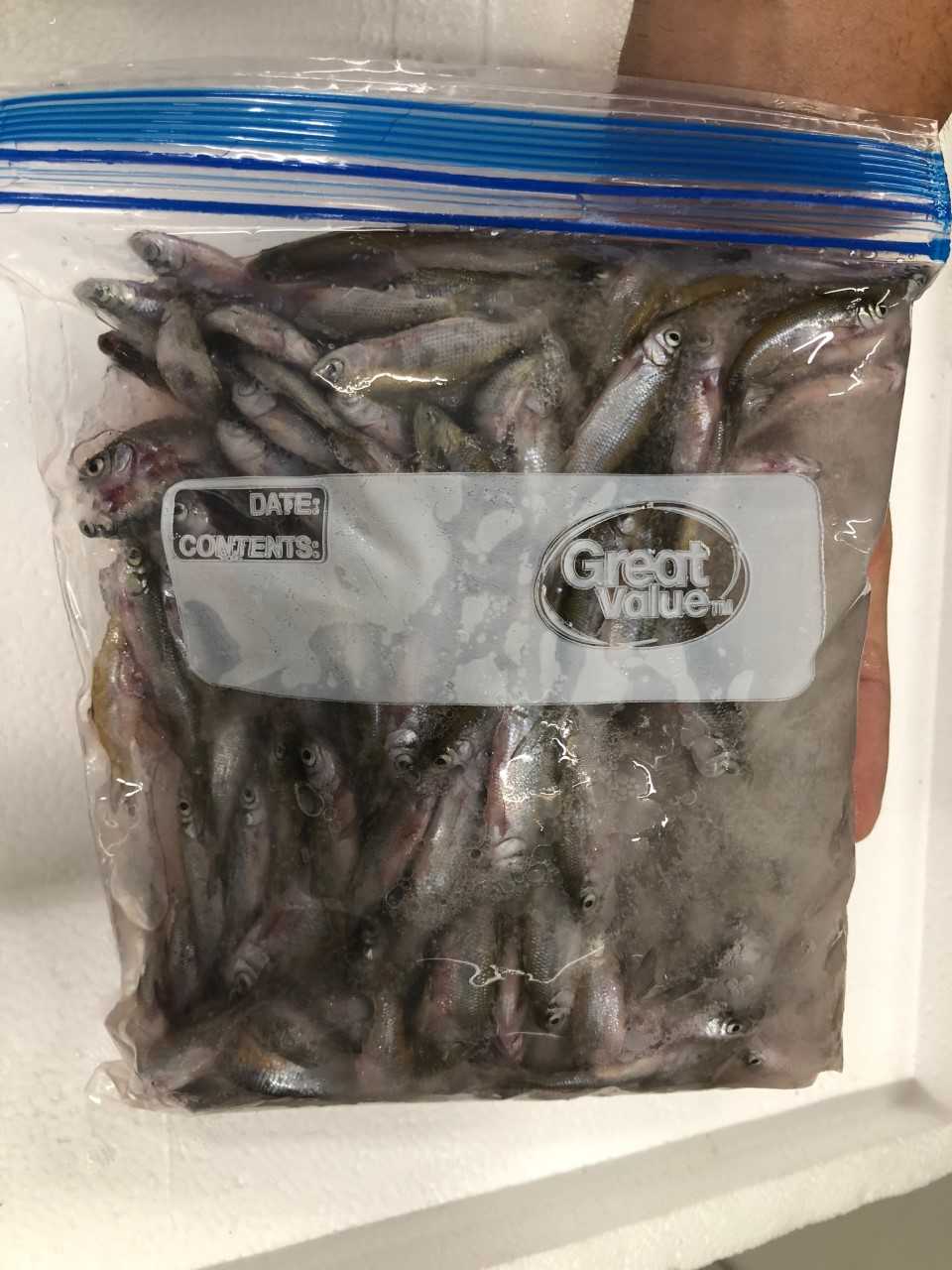
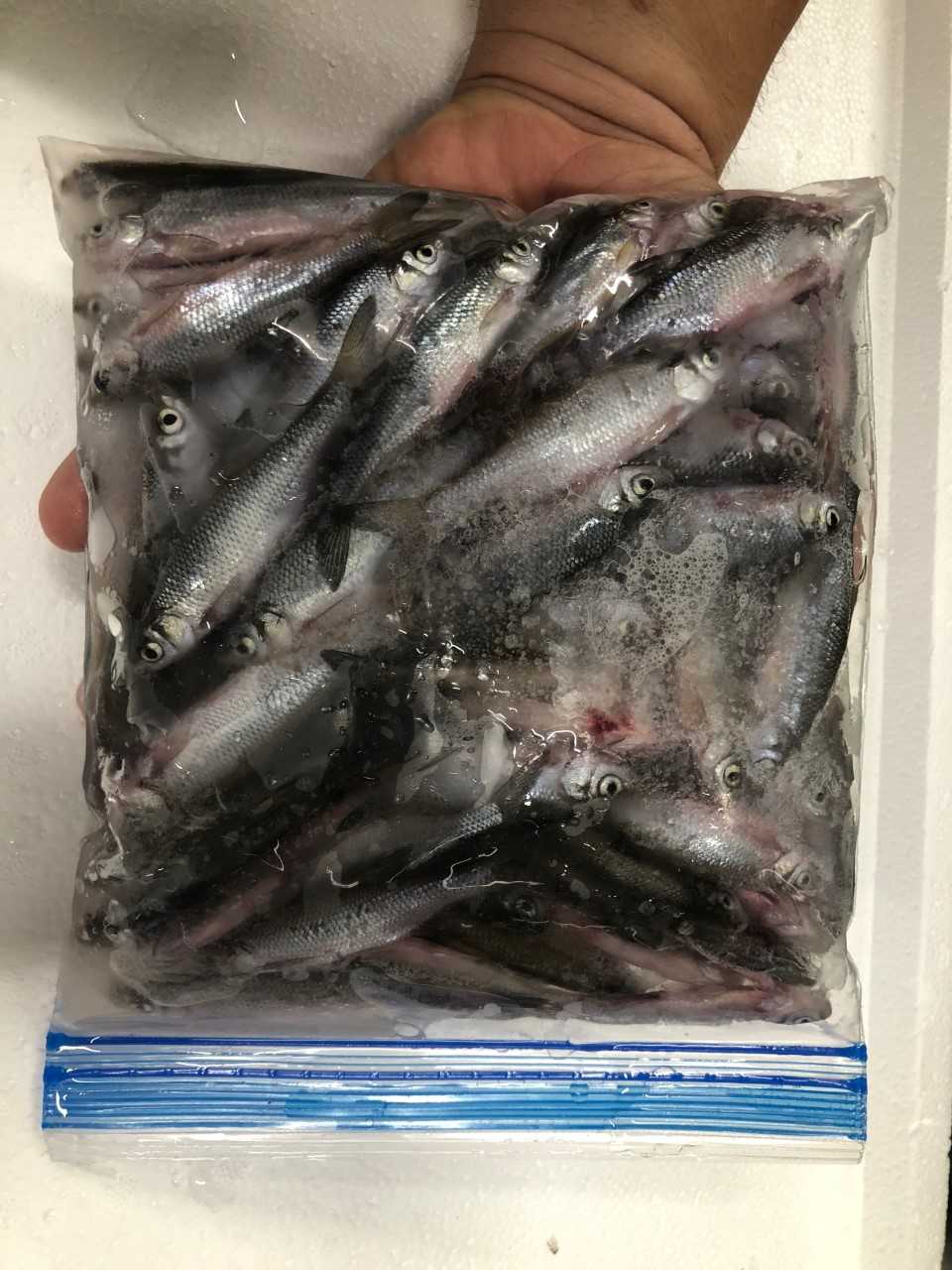
- Live or frozen fish (silversides, shiners)
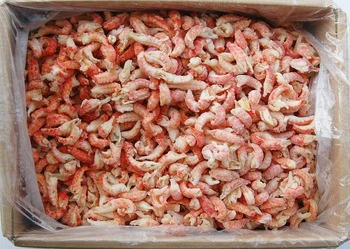
- Shrimp and other meaty foods
- Can be trained onto frozen/thawed foods over time
⚠️ Avoid relying on feeder fish long-term due to disease risk.
Tank Requirements
- Minimum Tank Size: 180–300 gallons
- Water Type: Freshwater
- Temperature: 68–82°F
- pH: 6.5–7.5
- Setup: Long tank footprint preferred; minimal décor with open swimming space; tight-fitting lid required (excellent jumpers)
They are surface dwellers and require access to open air, as they can gulp atmospheric oxygen.
Size
- Current Sale Size: Typically 6–12 inches
Max Size
- Maximum Adult Size: 24–36 inches
Tank Mates
Tank mates must be chosen carefully due to their predatory nature:
- Compatible: Large, non-aggressive fish such as datnoids, silver dollars, gars, arowanas, and larger catfish
- Avoid: Small fish (will be eaten), overly aggressive species that may harass them
Best kept with fish too large to swallow and not overly territorial.
Temperament
Generally calm and non-aggressive toward similarly sized fish, but highly predatory. Spends most of its time cruising near the surface or lying in wait.
Florida Spotted Gar (Lepisosteus platyrhincus)
The Florida Spotted Gar is a sleek, prehistoric predator known for its elongated snout, armored scales, and distinctive spotted patterning across its body and fins. Native to slow-moving waters throughout Florida and parts of the southeastern United States, this species brings a true “ancient fish” presence to large aquariums. Agile and surface-oriented, the Florida Spotted Gar is best suited for experienced hobbyists with spacious setups.
Diet
Florida Spotted Gars are carnivorous ambush predators:
- Live or frozen fish (silversides, shiners)
- Shrimp and other meaty foods
- Can be trained onto frozen/thawed foods over time
⚠️ Avoid relying on feeder fish long-term due to disease risk.
Tank Requirements
- Minimum Tank Size: 180–300 gallons
- Water Type: Freshwater
- Temperature: 68–82°F
- pH: 6.5–7.5
- Setup: Long tank footprint preferred; minimal décor with open swimming space; tight-fitting lid required (excellent jumpers)
They are surface dwellers and require access to open air, as they can gulp atmospheric oxygen.
Size
- Current Sale Size: Typically 6–12 inches
Max Size
- Maximum Adult Size: 24–36 inches
Tank Mates
Tank mates must be chosen carefully due to their predatory nature:
- Compatible: Large, non-aggressive fish such as datnoids, silver dollars, gars, arowanas, and larger catfish
- Avoid: Small fish (will be eaten), overly aggressive species that may harass them
Best kept with fish too large to swallow and not overly territorial.
Temperament
Generally calm and non-aggressive toward similarly sized fish, but highly predatory. Spends most of its time cruising near the surface or lying in wait.
Original: $28.00
-65%$28.00
$9.80Description
Florida Spotted Gar (Lepisosteus platyrhincus)
The Florida Spotted Gar is a sleek, prehistoric predator known for its elongated snout, armored scales, and distinctive spotted patterning across its body and fins. Native to slow-moving waters throughout Florida and parts of the southeastern United States, this species brings a true “ancient fish” presence to large aquariums. Agile and surface-oriented, the Florida Spotted Gar is best suited for experienced hobbyists with spacious setups.
Diet
Florida Spotted Gars are carnivorous ambush predators:
- Live or frozen fish (silversides, shiners)
- Shrimp and other meaty foods
- Can be trained onto frozen/thawed foods over time
⚠️ Avoid relying on feeder fish long-term due to disease risk.
Tank Requirements
- Minimum Tank Size: 180–300 gallons
- Water Type: Freshwater
- Temperature: 68–82°F
- pH: 6.5–7.5
- Setup: Long tank footprint preferred; minimal décor with open swimming space; tight-fitting lid required (excellent jumpers)
They are surface dwellers and require access to open air, as they can gulp atmospheric oxygen.
Size
- Current Sale Size: Typically 6–12 inches
Max Size
- Maximum Adult Size: 24–36 inches
Tank Mates
Tank mates must be chosen carefully due to their predatory nature:
- Compatible: Large, non-aggressive fish such as datnoids, silver dollars, gars, arowanas, and larger catfish
- Avoid: Small fish (will be eaten), overly aggressive species that may harass them
Best kept with fish too large to swallow and not overly territorial.
Temperament
Generally calm and non-aggressive toward similarly sized fish, but highly predatory. Spends most of its time cruising near the surface or lying in wait.