Gymnogeophagus labiatus
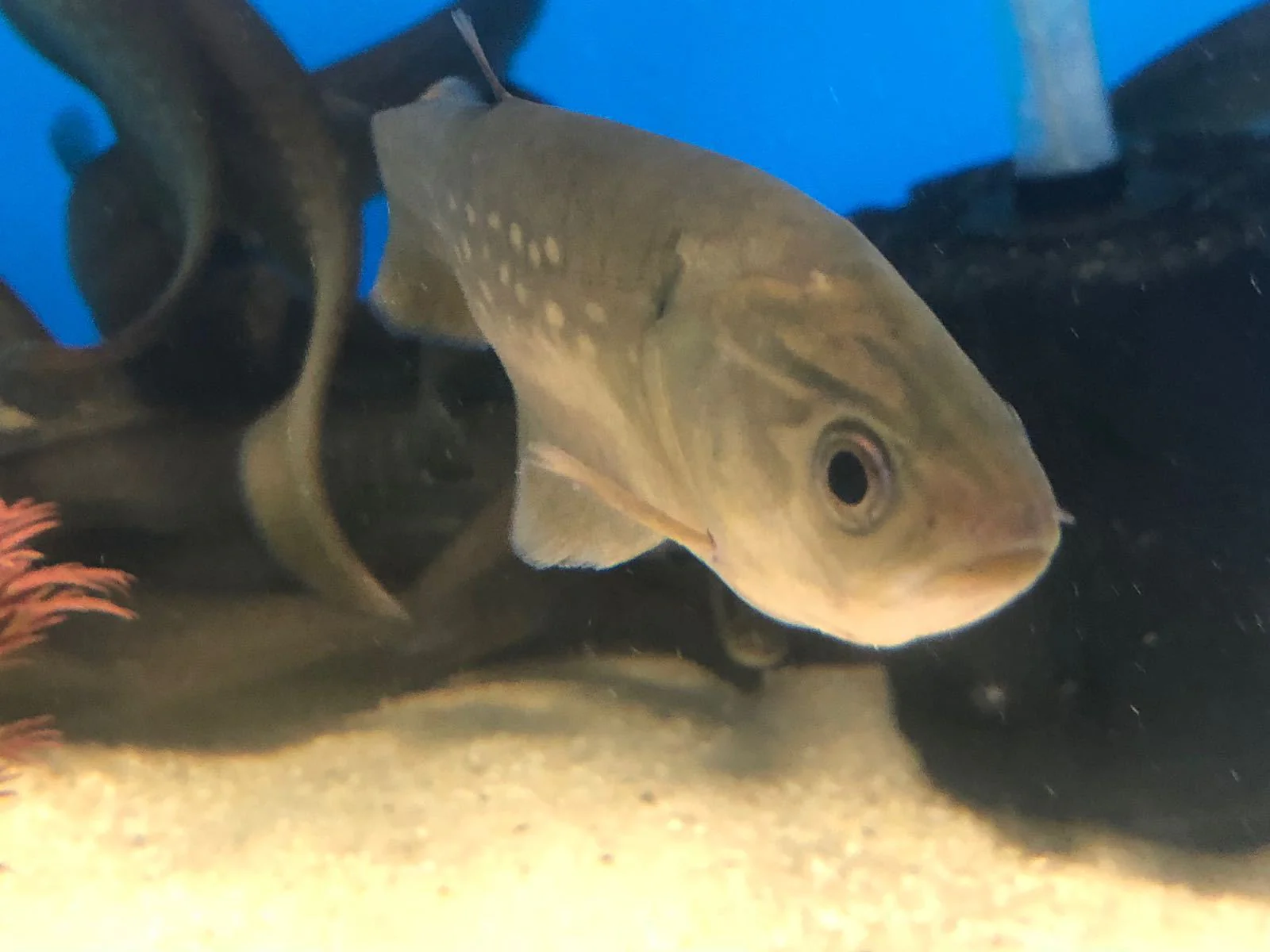
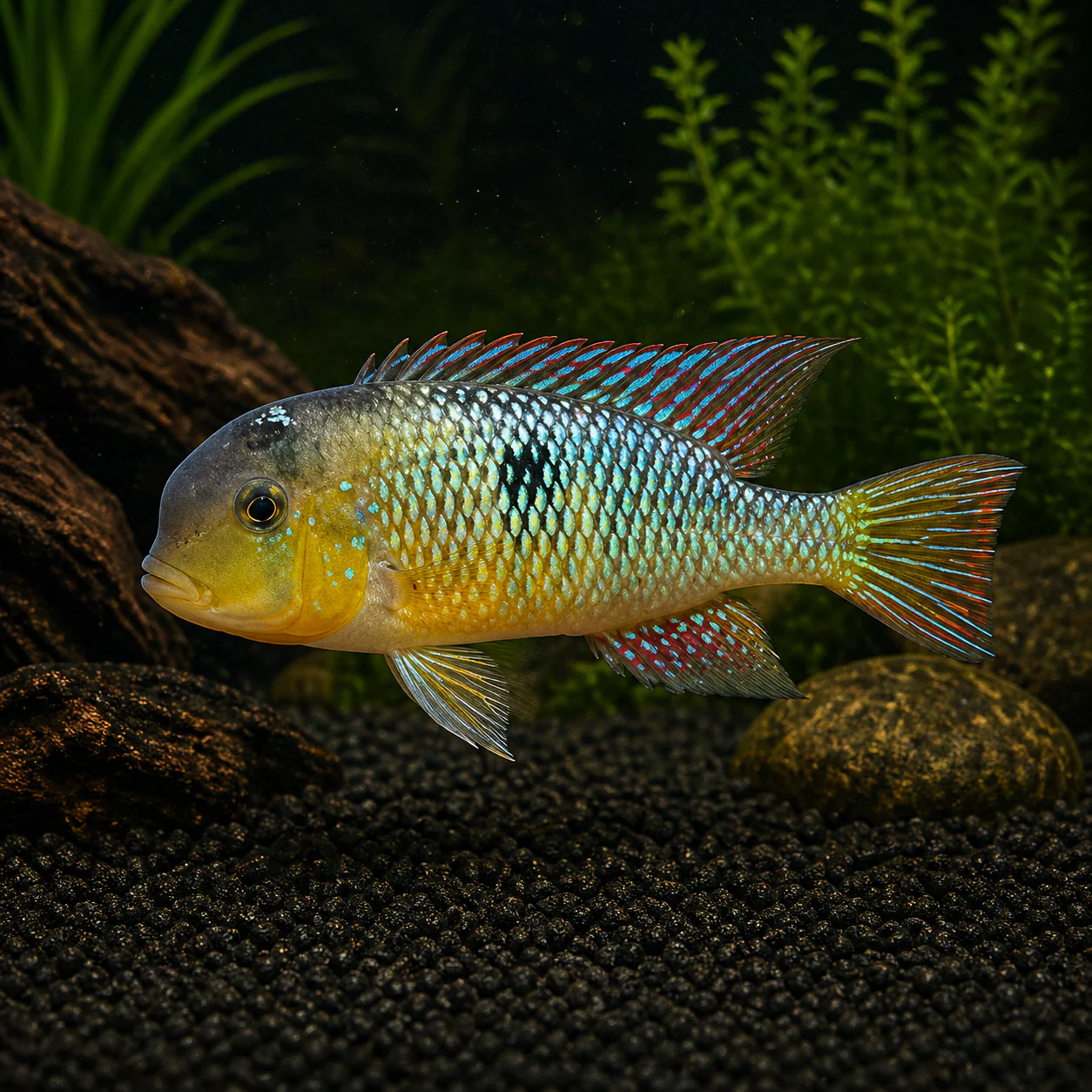
Gymnogeophagus labiatus is a rare and beautifully patterned eartheater cichlid known for its metallic sheen, subtle reds, and sand-sifting behavior. Native to cooler regions of South America, this species stands out for both its coloration and its unique habit of constantly filtering substrate through its gills.
Peaceful compared to many cichlids, it’s an excellent choice for hobbyists looking to build a natural, South American-style aquarium with movement and personality.
Max Size
- 6–8 inches in captivity
- Males develop stronger coloration and finnage
Tank Size
- Minimum: 55 gallons
- Recommended: 75–100+ gallons for groups
- Best kept in groups of 4–6
Tank Mates
- Peaceful to semi-aggressive fish
- Great with:
- Other eartheaters
- Geophagus
- Peaceful cichlids
- Larger tetras
- Avoid aggressive or overly dominant species
Diet
Omnivorous:
- High-quality pellets
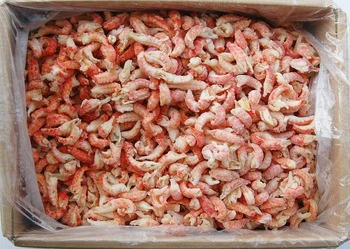
- Frozen foods (bloodworms, brine shrimp)
- Small invertebrates
- Occasional vegetable matter
👉 Naturally sifts sand for food—feeding on the bottom is important
Care & Behavior
- Constant sand-sifter—fine sand substrate is a must
- Prefers cooler water compared to most tropical cichlids
- Peaceful and social—best kept in groups
- Requires clean, well-oxygenated water
Why We Love Them
- Unique eartheater behavior
- Subtle but beautiful coloration
- Peaceful temperament
- Great for natural biotope aquariums
⚠️ Important Notes
- Needs sand—gravel can damage gills
- Can be sensitive to high temperatures
- Not suited for aggressive community tanks
- Requires stable, clean water conditions
Gymnogeophagus labiatus is a rare and beautifully patterned eartheater cichlid known for its metallic sheen, subtle reds, and sand-sifting behavior. Native to cooler regions of South America, this species stands out for both its coloration and its unique habit of constantly filtering substrate through its gills.
Peaceful compared to many cichlids, it’s an excellent choice for hobbyists looking to build a natural, South American-style aquarium with movement and personality.
Max Size
- 6–8 inches in captivity
- Males develop stronger coloration and finnage
Tank Size
- Minimum: 55 gallons
- Recommended: 75–100+ gallons for groups
- Best kept in groups of 4–6
Tank Mates
- Peaceful to semi-aggressive fish
- Great with:
- Other eartheaters
- Geophagus
- Peaceful cichlids
- Larger tetras
- Avoid aggressive or overly dominant species
Diet
Omnivorous:
- High-quality pellets
- Frozen foods (bloodworms, brine shrimp)
- Small invertebrates
- Occasional vegetable matter
👉 Naturally sifts sand for food—feeding on the bottom is important
Care & Behavior
- Constant sand-sifter—fine sand substrate is a must
- Prefers cooler water compared to most tropical cichlids
- Peaceful and social—best kept in groups
- Requires clean, well-oxygenated water
Why We Love Them
- Unique eartheater behavior
- Subtle but beautiful coloration
- Peaceful temperament
- Great for natural biotope aquariums
⚠️ Important Notes
- Needs sand—gravel can damage gills
- Can be sensitive to high temperatures
- Not suited for aggressive community tanks
- Requires stable, clean water conditions
Original: $25.00
-65%$25.00
$8.75Description
Gymnogeophagus labiatus is a rare and beautifully patterned eartheater cichlid known for its metallic sheen, subtle reds, and sand-sifting behavior. Native to cooler regions of South America, this species stands out for both its coloration and its unique habit of constantly filtering substrate through its gills.
Peaceful compared to many cichlids, it’s an excellent choice for hobbyists looking to build a natural, South American-style aquarium with movement and personality.
Max Size
- 6–8 inches in captivity
- Males develop stronger coloration and finnage
Tank Size
- Minimum: 55 gallons
- Recommended: 75–100+ gallons for groups
- Best kept in groups of 4–6
Tank Mates
- Peaceful to semi-aggressive fish
- Great with:
- Other eartheaters
- Geophagus
- Peaceful cichlids
- Larger tetras
- Avoid aggressive or overly dominant species
Diet
Omnivorous:
- High-quality pellets
- Frozen foods (bloodworms, brine shrimp)
- Small invertebrates
- Occasional vegetable matter
👉 Naturally sifts sand for food—feeding on the bottom is important
Care & Behavior
- Constant sand-sifter—fine sand substrate is a must
- Prefers cooler water compared to most tropical cichlids
- Peaceful and social—best kept in groups
- Requires clean, well-oxygenated water
Why We Love Them
- Unique eartheater behavior
- Subtle but beautiful coloration
- Peaceful temperament
- Great for natural biotope aquariums
⚠️ Important Notes
- Needs sand—gravel can damage gills
- Can be sensitive to high temperatures
- Not suited for aggressive community tanks
- Requires stable, clean water conditions