Alligator Gar (Atractosteus spatula)
Alligator Gar (Atractosteus spatula)
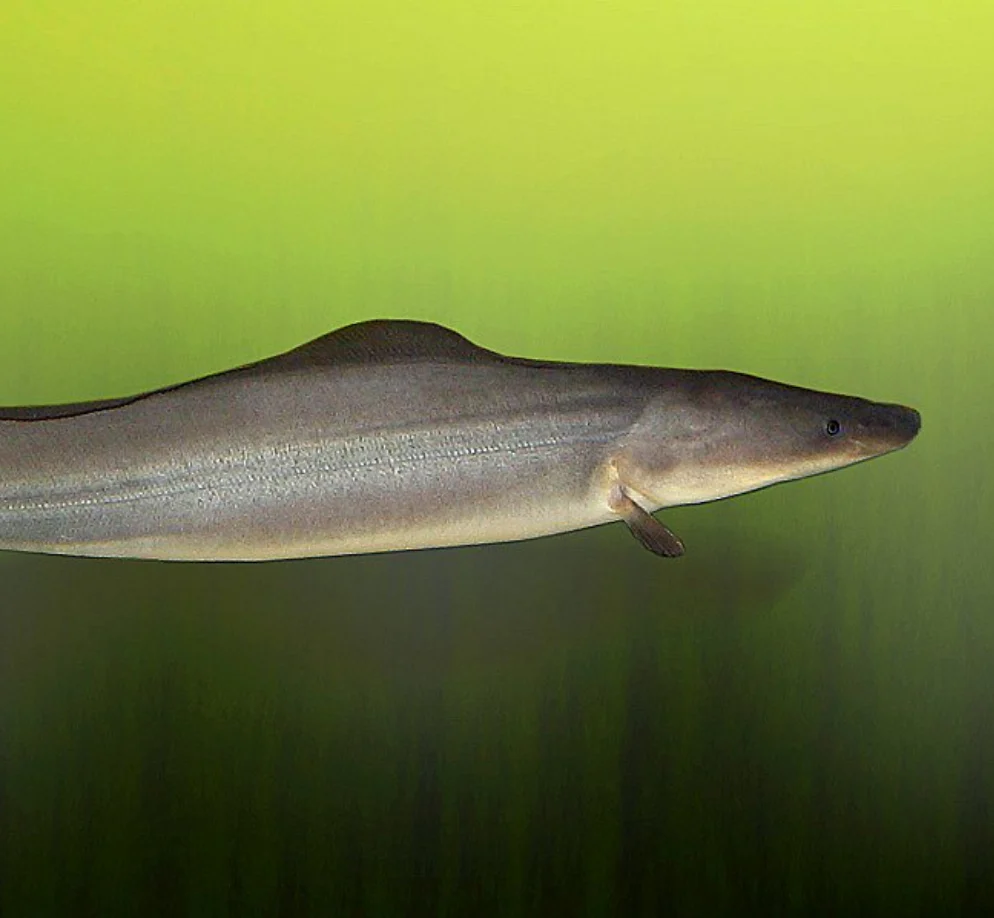
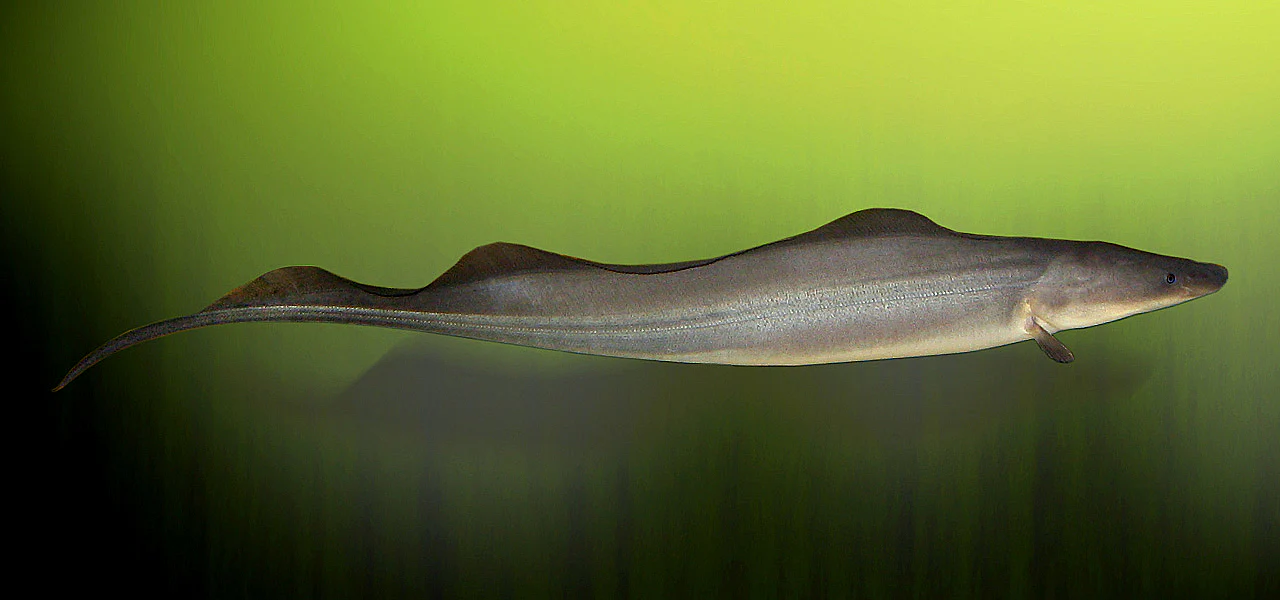
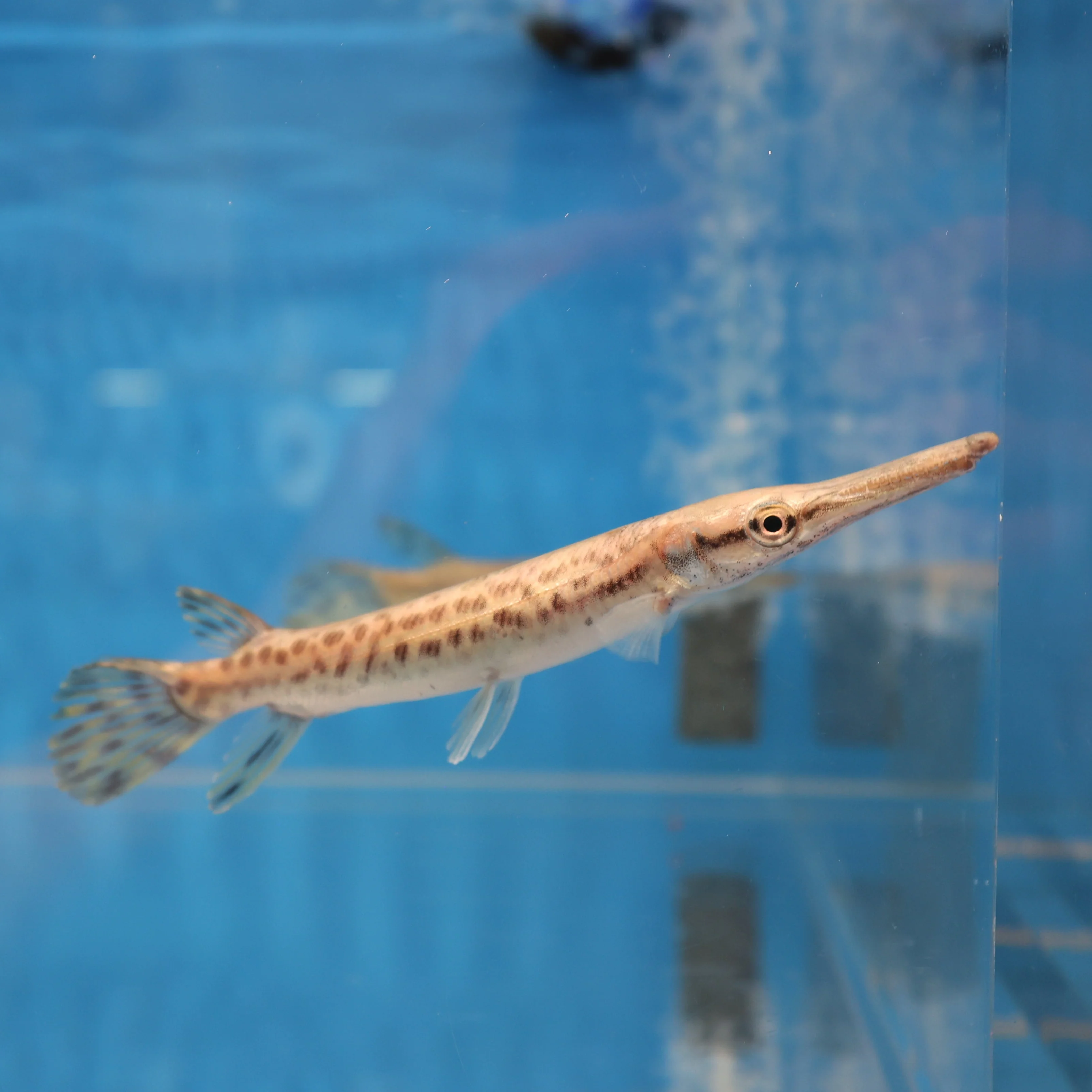
The Alligator Gar is one of the largest and most powerful freshwater fish in North America, often referred to as a true “living fossil.” With its broad, alligator-like snout, armored ganoid scales, and massive size potential, this species commands immediate attention. Native to rivers and lakes across the southern United States, the Alligator Gar is a surface-dwelling apex predator best suited for very large aquariums or indoor ponds. This species is strictly recommended for advanced hobbyists due to its extreme size and long-term care requirements.
Diet
Alligator Gars are carnivorous ambush predators:
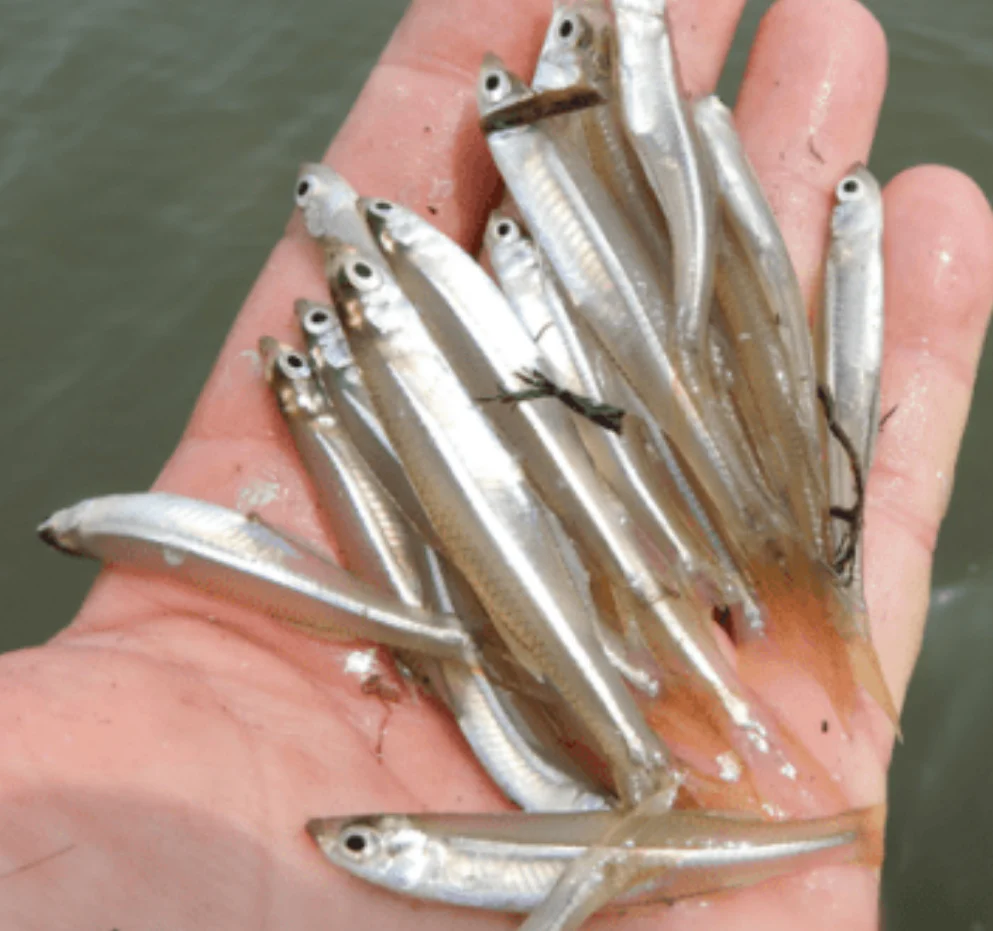
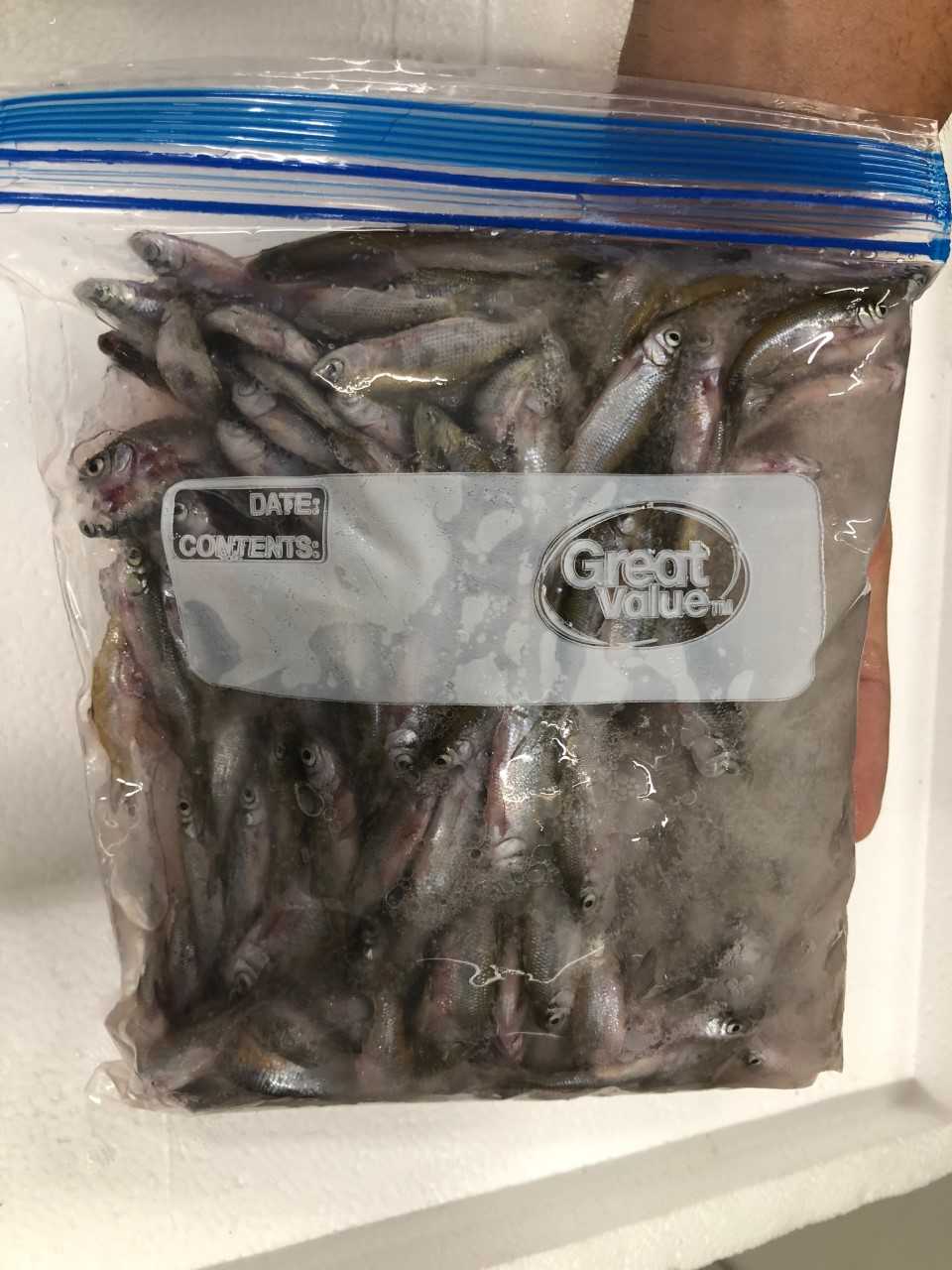
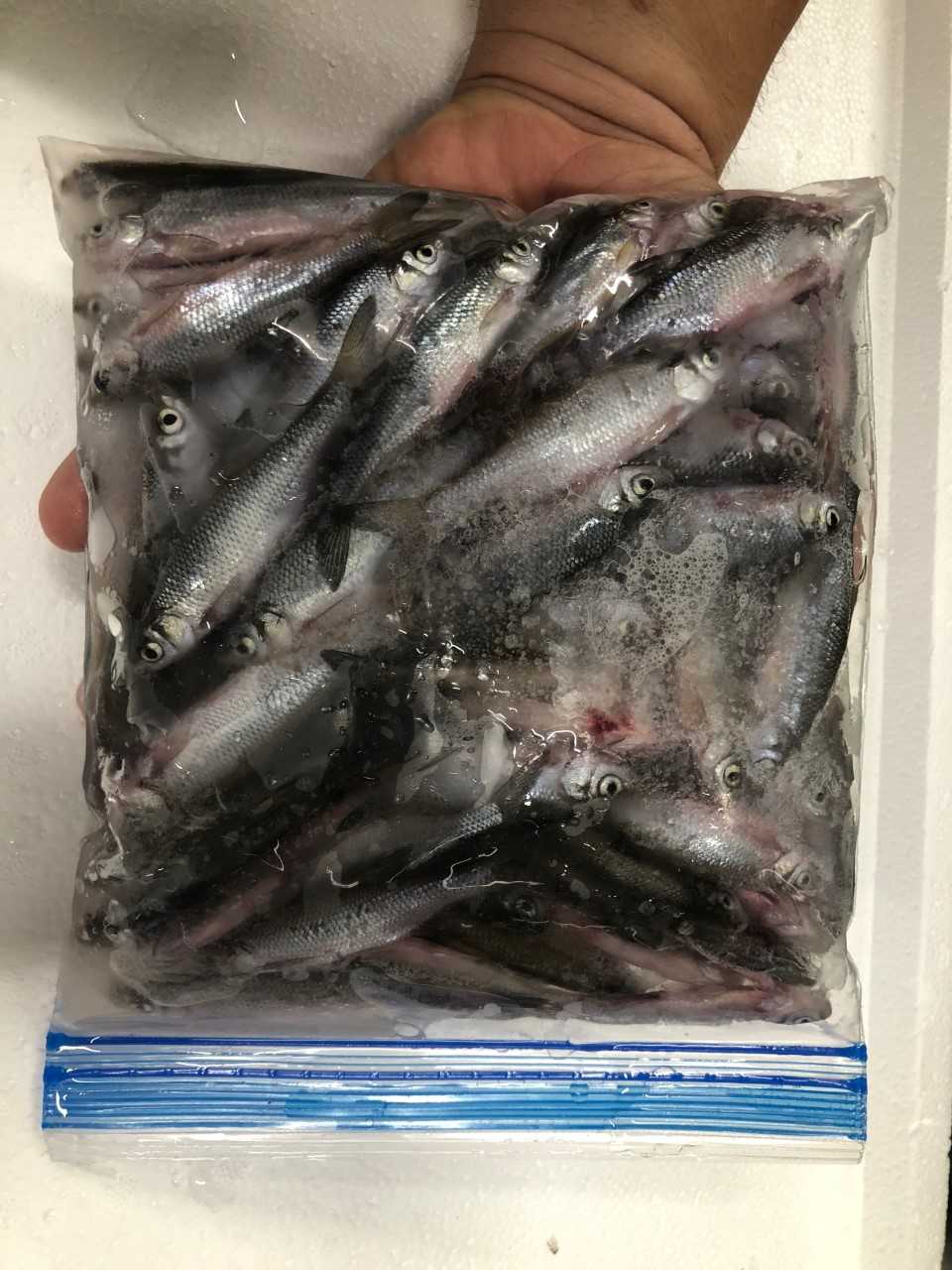
- Whole fish (tilapia, smelt, shiners)
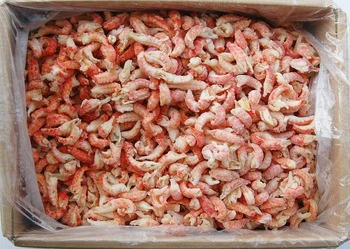
- Shrimp, prawns, and other meaty foods
- Can be trained onto frozen/thawed foods
⚠️ Avoid feeder fish as a staple due to disease risk and poor nutrition.
Tank Requirements
- Minimum Tank Size: 300+ gallons (juveniles), indoor pond or 1,000+ gallons required for adults
- Water Type: Freshwater (can tolerate brackish conditions)
- Temperature: 68–82°F
- pH: 6.5–7.5
- Setup: Long, wide footprint with open surface area; minimal décor; tight-fitting lid required
They are surface breathers and must have access to open air.
Size
- Current Sale Size: Typically 8–16 inches
Max Size
- Maximum Adult Size: 6–10+ feet
- Can exceed 200 lbs in the right conditions
Tank Mates
Tank mates must be chosen very carefully:
- Compatible: Very large, robust species such as big catfish, gars, arowanas, and large rays
- Use caution: Most tank mates will eventually be outgrown or eaten
- Avoid: Small to medium fish, aggressive species that may harass
Realistically, best kept solo or with similarly massive fish.
Temperament
Calm and slow-moving but extremely predatory. Relies on ambush rather than active aggression. Powerful, deliberate feeder.
⚠️ Important Note
This species will outgrow nearly all standard aquariums. Long-term care requires pond-level planning and significant space.
Alligator Gar (Atractosteus spatula)
The Alligator Gar is one of the largest and most powerful freshwater fish in North America, often referred to as a true “living fossil.” With its broad, alligator-like snout, armored ganoid scales, and massive size potential, this species commands immediate attention. Native to rivers and lakes across the southern United States, the Alligator Gar is a surface-dwelling apex predator best suited for very large aquariums or indoor ponds. This species is strictly recommended for advanced hobbyists due to its extreme size and long-term care requirements.
Diet
Alligator Gars are carnivorous ambush predators:
- Whole fish (tilapia, smelt, shiners)
- Shrimp, prawns, and other meaty foods
- Can be trained onto frozen/thawed foods
⚠️ Avoid feeder fish as a staple due to disease risk and poor nutrition.
Tank Requirements
- Minimum Tank Size: 300+ gallons (juveniles), indoor pond or 1,000+ gallons required for adults
- Water Type: Freshwater (can tolerate brackish conditions)
- Temperature: 68–82°F
- pH: 6.5–7.5
- Setup: Long, wide footprint with open surface area; minimal décor; tight-fitting lid required
They are surface breathers and must have access to open air.
Size
- Current Sale Size: Typically 8–16 inches
Max Size
- Maximum Adult Size: 6–10+ feet
- Can exceed 200 lbs in the right conditions
Tank Mates
Tank mates must be chosen very carefully:
- Compatible: Very large, robust species such as big catfish, gars, arowanas, and large rays
- Use caution: Most tank mates will eventually be outgrown or eaten
- Avoid: Small to medium fish, aggressive species that may harass
Realistically, best kept solo or with similarly massive fish.
Temperament
Calm and slow-moving but extremely predatory. Relies on ambush rather than active aggression. Powerful, deliberate feeder.
⚠️ Important Note
This species will outgrow nearly all standard aquariums. Long-term care requires pond-level planning and significant space.
Description
Alligator Gar (Atractosteus spatula)
The Alligator Gar is one of the largest and most powerful freshwater fish in North America, often referred to as a true “living fossil.” With its broad, alligator-like snout, armored ganoid scales, and massive size potential, this species commands immediate attention. Native to rivers and lakes across the southern United States, the Alligator Gar is a surface-dwelling apex predator best suited for very large aquariums or indoor ponds. This species is strictly recommended for advanced hobbyists due to its extreme size and long-term care requirements.
Diet
Alligator Gars are carnivorous ambush predators:
- Whole fish (tilapia, smelt, shiners)
- Shrimp, prawns, and other meaty foods
- Can be trained onto frozen/thawed foods
⚠️ Avoid feeder fish as a staple due to disease risk and poor nutrition.
Tank Requirements
- Minimum Tank Size: 300+ gallons (juveniles), indoor pond or 1,000+ gallons required for adults
- Water Type: Freshwater (can tolerate brackish conditions)
- Temperature: 68–82°F
- pH: 6.5–7.5
- Setup: Long, wide footprint with open surface area; minimal décor; tight-fitting lid required
They are surface breathers and must have access to open air.
Size
- Current Sale Size: Typically 8–16 inches
Max Size
- Maximum Adult Size: 6–10+ feet
- Can exceed 200 lbs in the right conditions
Tank Mates
Tank mates must be chosen very carefully:
- Compatible: Very large, robust species such as big catfish, gars, arowanas, and large rays
- Use caution: Most tank mates will eventually be outgrown or eaten
- Avoid: Small to medium fish, aggressive species that may harass
Realistically, best kept solo or with similarly massive fish.
Temperament
Calm and slow-moving but extremely predatory. Relies on ambush rather than active aggression. Powerful, deliberate feeder.
⚠️ Important Note
This species will outgrow nearly all standard aquariums. Long-term care requires pond-level planning and significant space.